FIELDWORK
Absence
[Cyprus Pt. II]
2021
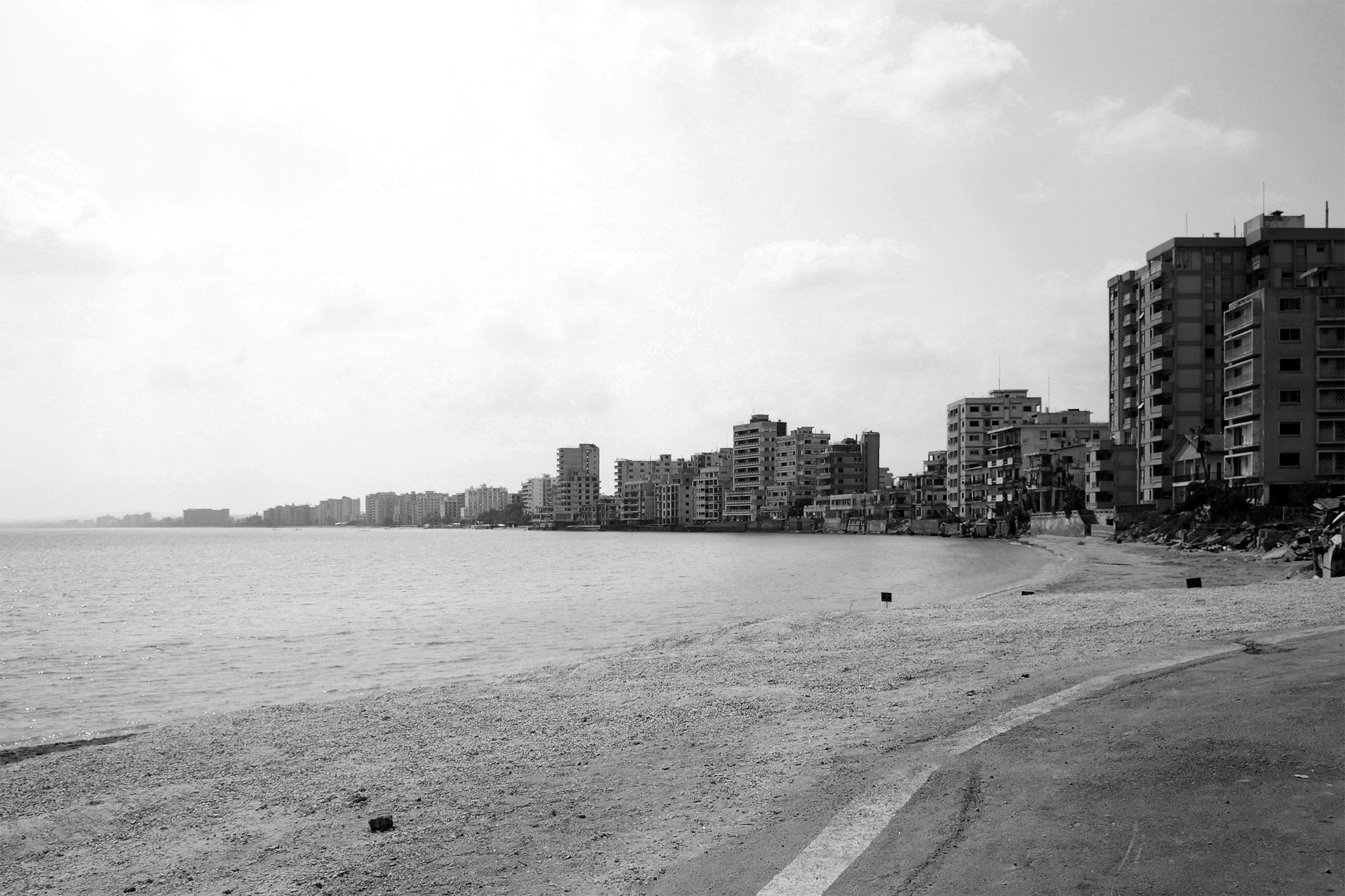
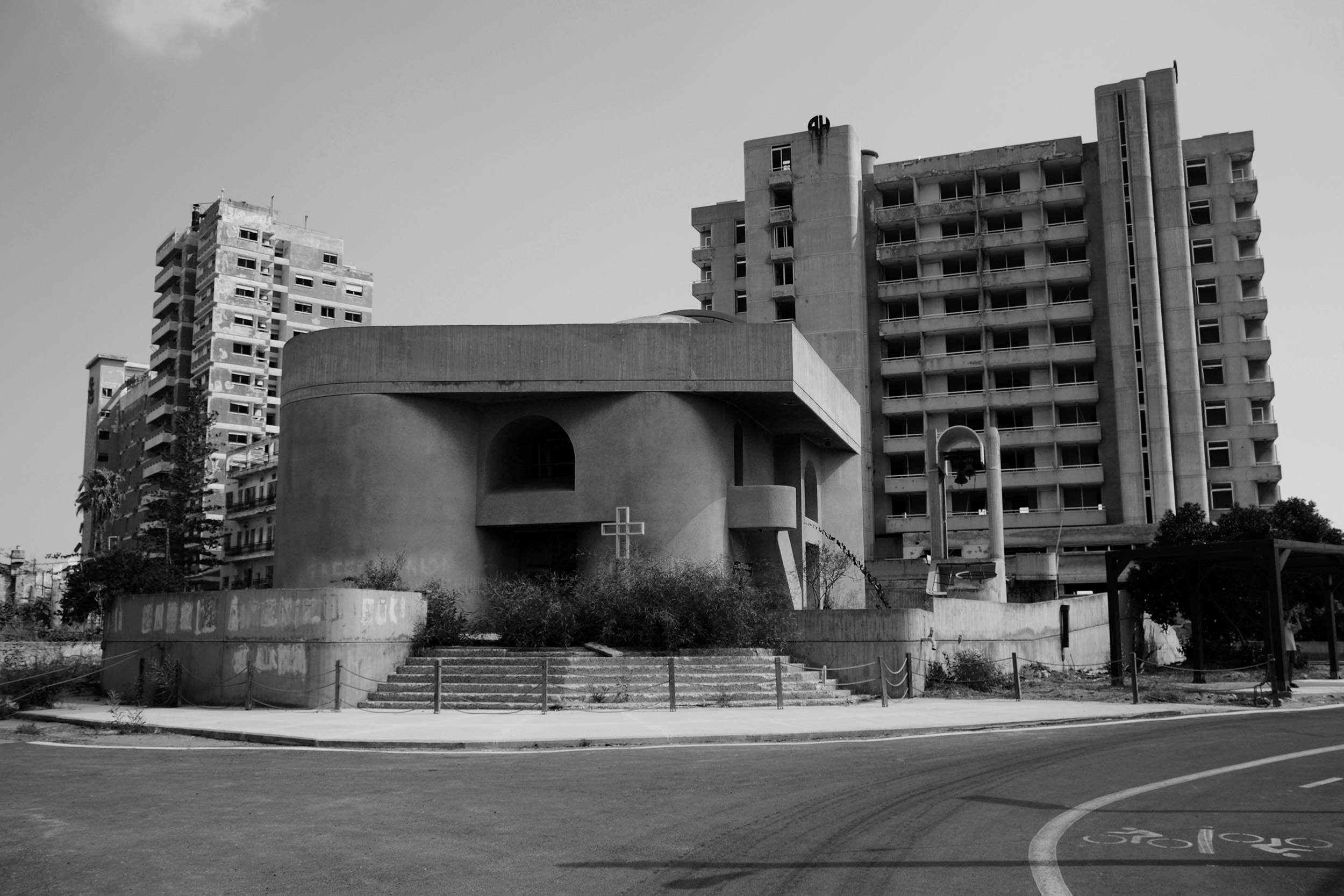
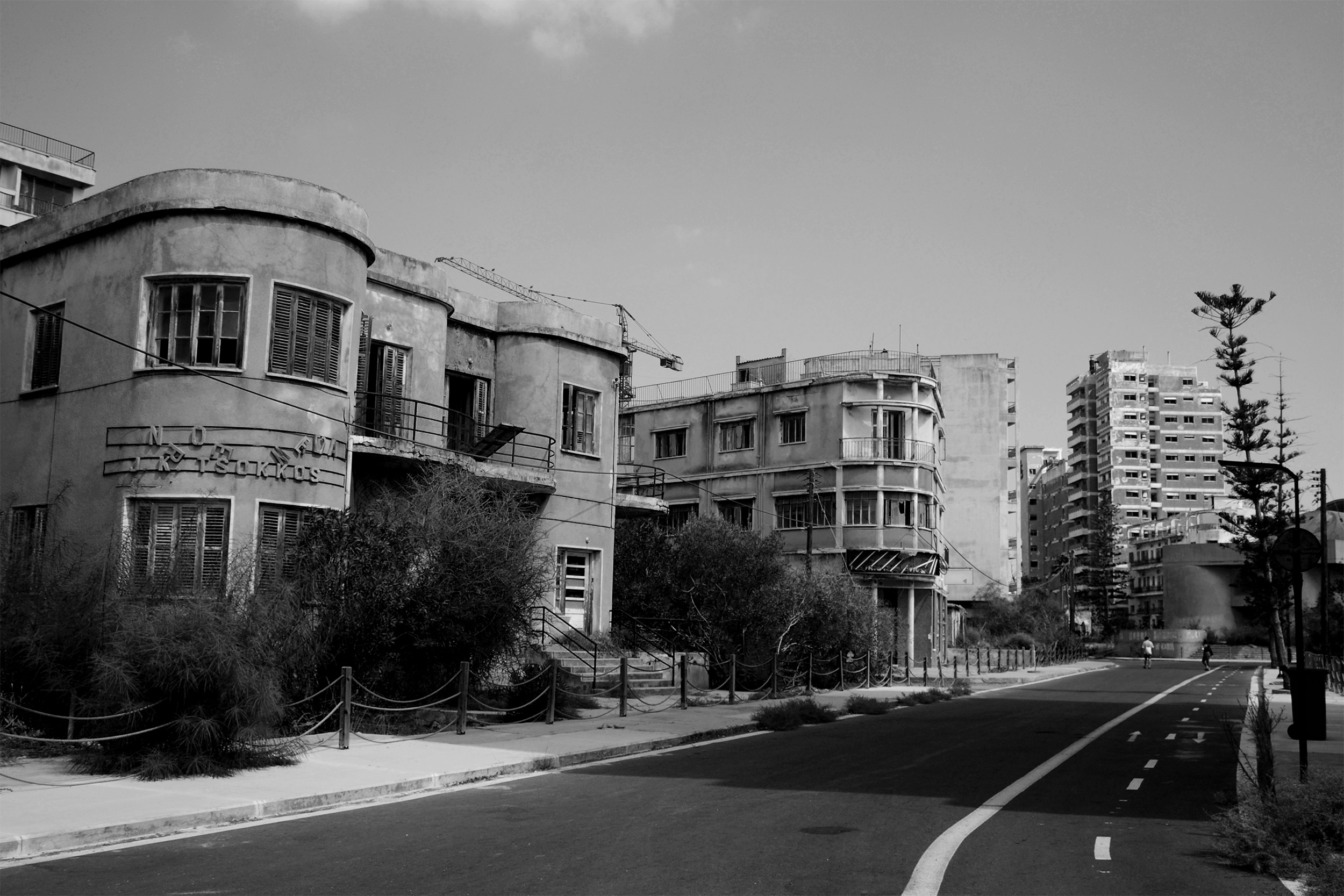
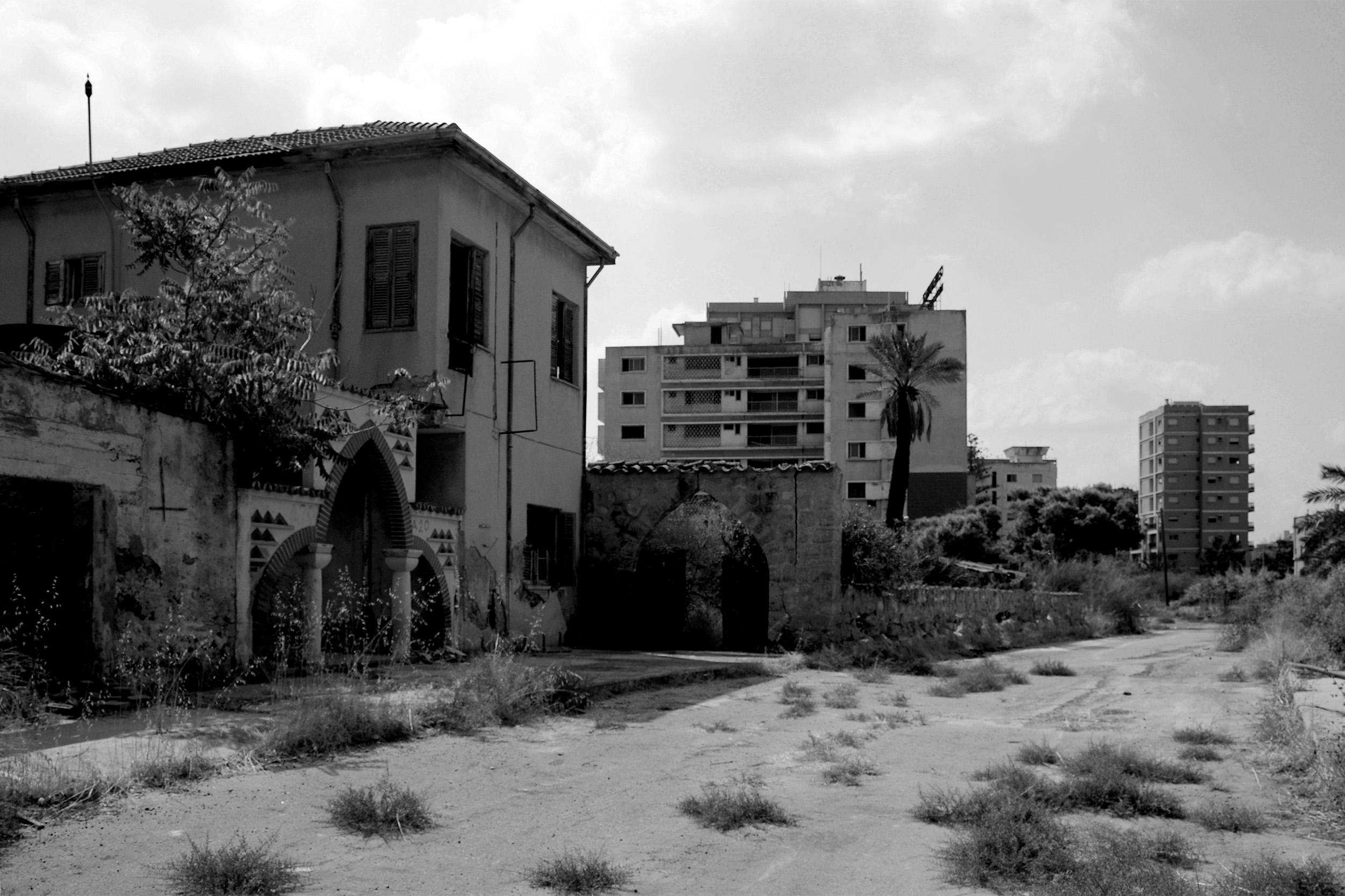
‘Not so long ago the very notion of the eastern Mediterranean’s most famous ghost town being resurrected as a 21st-century theme park would have been unthinkable. For more than four decades there has been almost no movement among ruins of war left to rot with the passage of time. But in Turkish-occupied northern Cyprus, transformation is in the air. In a place whose fate could be a game-changer in the quest to put the divided island back together again, construction workers have been tidying up: laying cement, removing debris, roping off edifices sealed from public view since Ankara sent in troops and tanks in 1974. […]
Until Ankara stunned diplomats last year announcing Varosha would be partially reopened, the once vibrant enclave in the city of Famagusta – home to about 40,000 Greeks in its heyday – had lain out of reach behind barbed wire, a symbol of division but also of hope for its former residents optimistic that, at least, it had not been reoccupied like other parts of territory seized in 1974.’
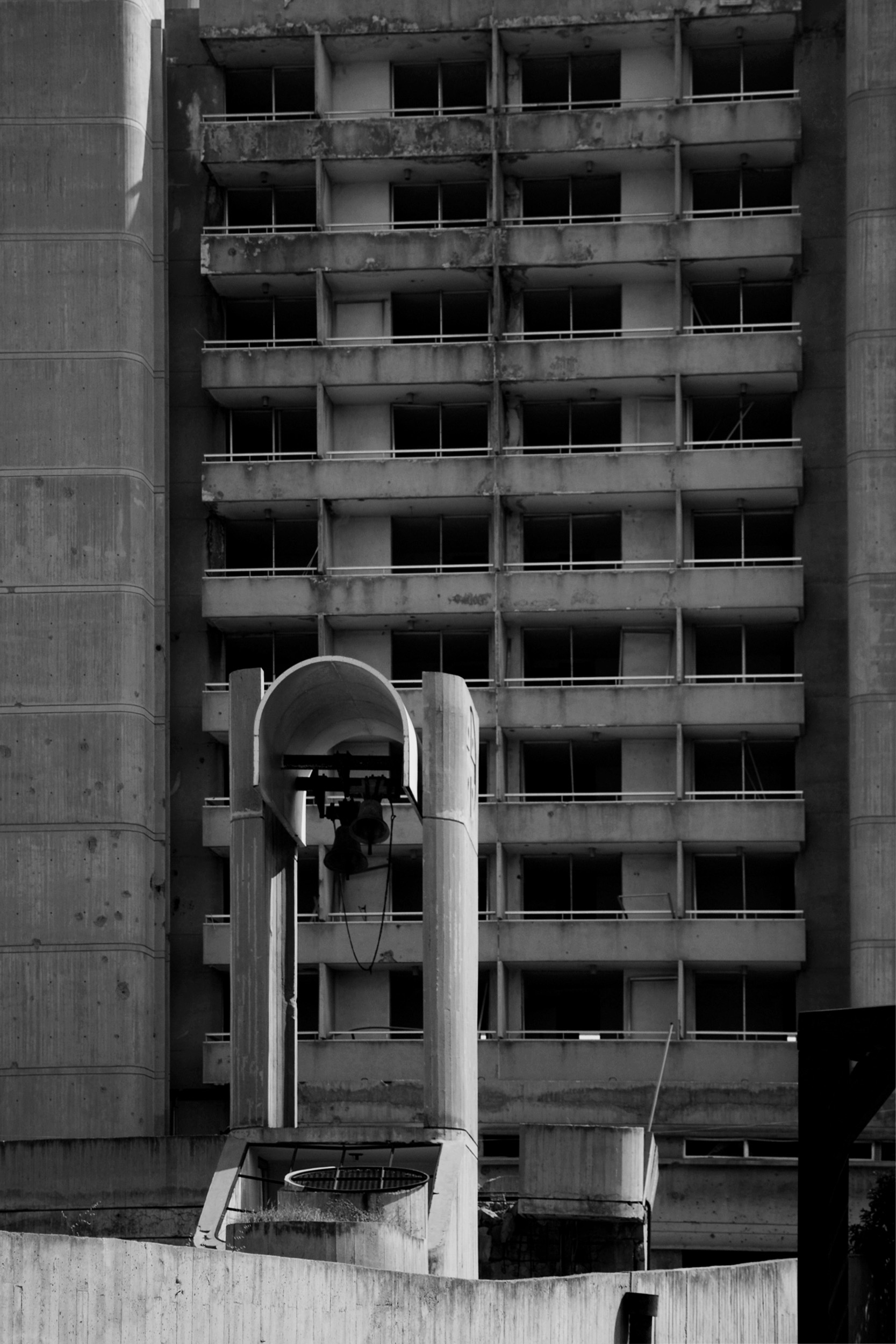
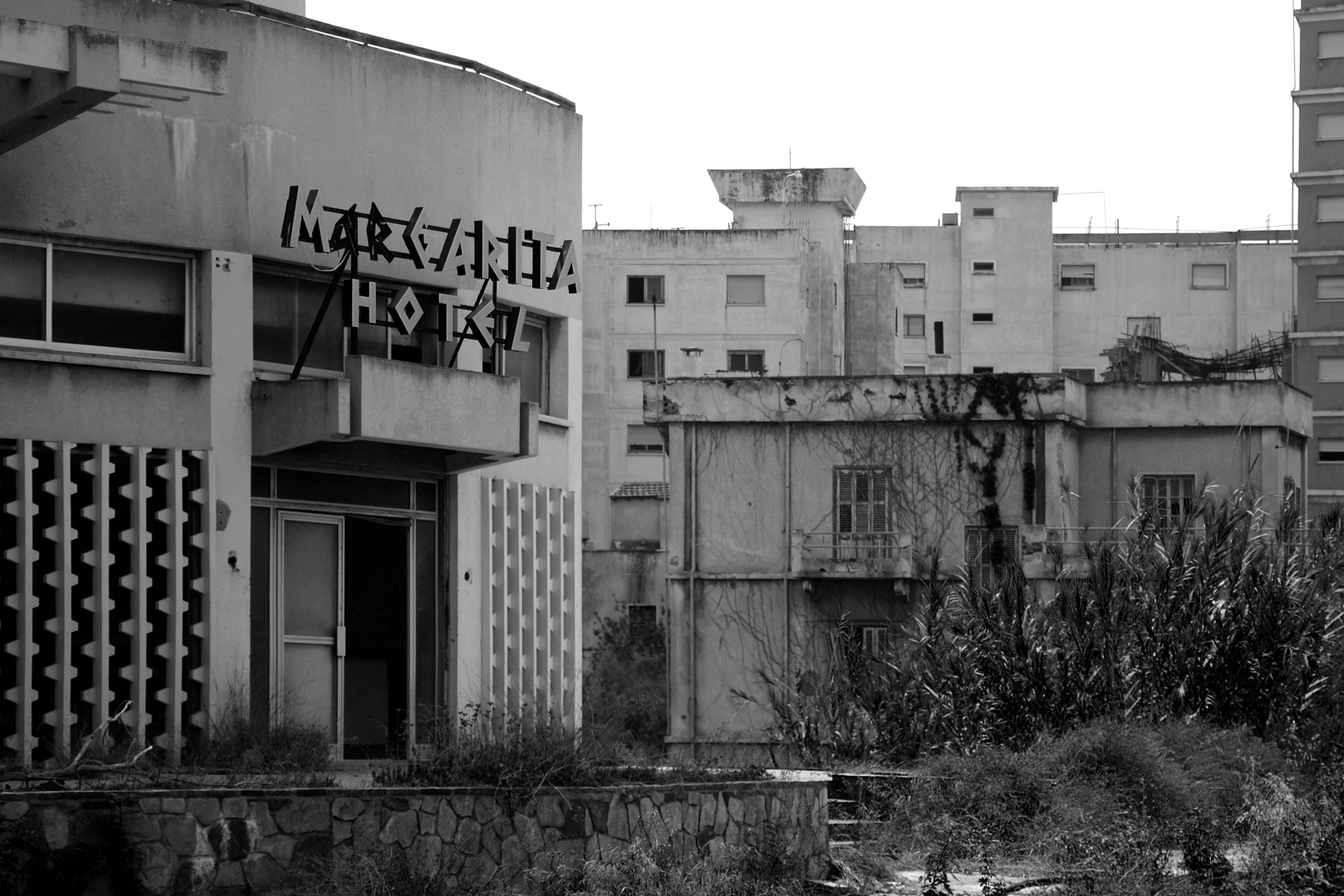
The Guardian documents the partial reopening of Varosha, an enclave in northern Cyprus, and its gradual transformation from a ghost town to a dark tourism destination. The only word I find to describe the experience of visiting Varosha is ‘uncanny’. Everything was uncanny, from the abandoned buildings with Greek signs signifying a glorious past that is now taken over by nature, to the newly designated paths destined for special cycling tours and the tourists bathing at the beach, just below a huge mass of void concrete skeletons. If the decay and abandonment of the place causes some kind of sadness, then its ongoing touristification can only cause anger; it is a disservice to what such a place symbolises: the forced fleeing, the loss and suffering.
“…the opening of the ceasefire line that divides the island has not led to reconciliation but has instead led, in concrete and possibly lasting ways, to the discovery of new borders that may, in fact, be the real ones.”
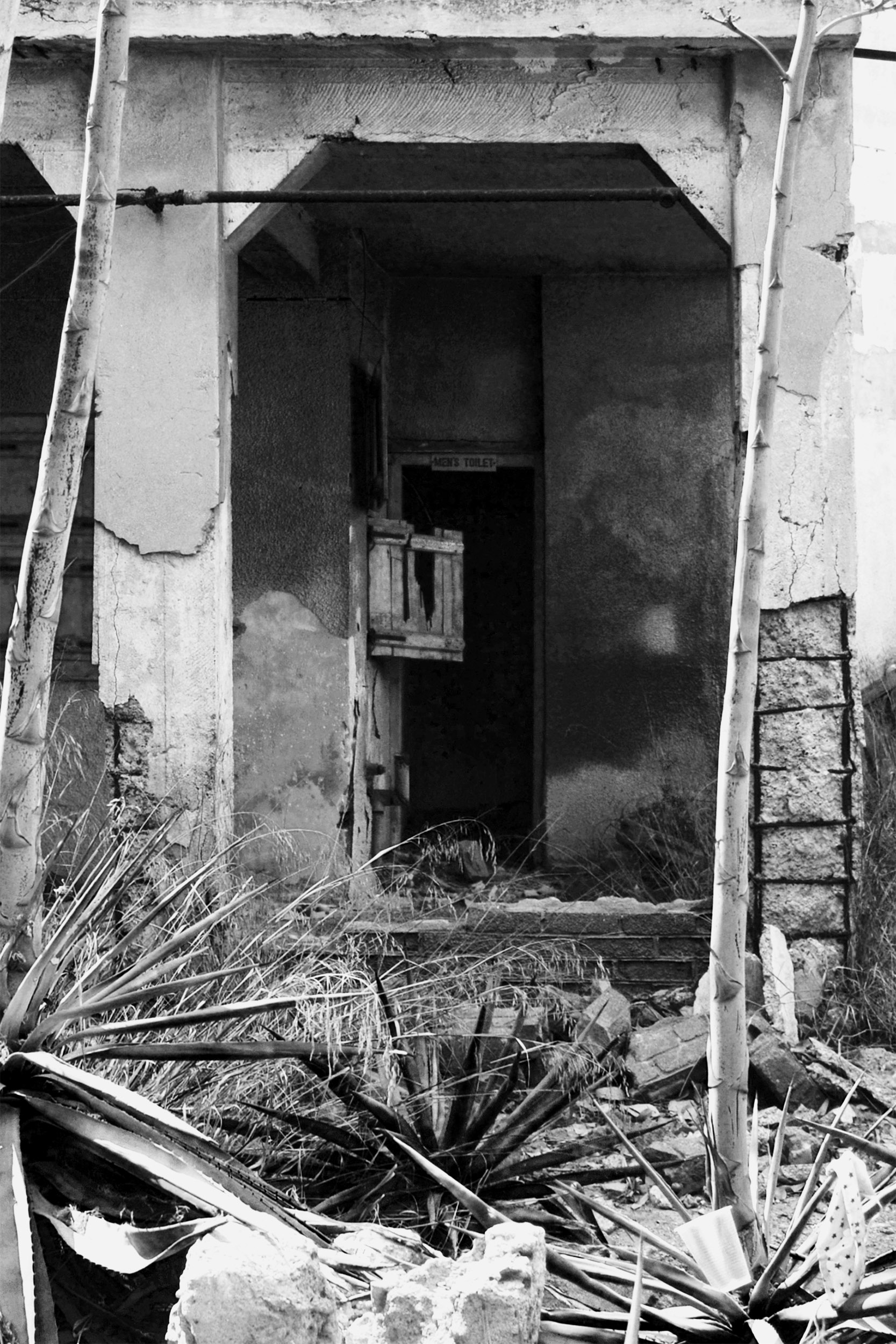

“In The Poetics of Space, Gaston Bachelard refers to the ‘topology of memory’, or the ways in which memories are not only material but spatial, dependent on the home, the school, the village – on the place with its particular scents and seasons. As with Proust and his madeleine, the visceral evokes the vanished, and memory is sustained by the mundane. A particular taste of lemon may evoke an entire era that’s passed. But this also shows that in the work of memory, the mundane is marked as a site of loss. It is precisely the process of losing what we once were that gives to the mundane a sustained melancholy.
Greek Cypriot refugees talk about their past in mundane terms. They talk about the footpaths in the village that linked relatives and neighbours; they talk about the orchards, and the trees in their gardens; they talk about the house, and the trousseau; they talk about the soil; they talk about the odours; and they talk about all the elements that made the village a place for them, their place. These memories are very personal, but they are also, at the same time, social memories. […]
And so the mundane, too, is marked by life with others, while the habits that sustain memory inscribe in us the shape of the social. […] All of these are places worn by habit, places so familiar as to recede into the background of daily life. But in being so, they are also the spaces of our habitual interactions, the routes by which the voices and faces of others weave into the unnoticed texture of our lives. The relationships that constitute our comings and goings, the habitual patterns of our lives, become etched into the paths whose dips and turns are inscribed in our bodies.”
“Where I invoke my own dilemmas as researcher, it is not merely to describe the difficulties of ethnographic work in a place that has experienced conflict, but more importantly to show how impossible a middle position remains in the island. It is that middle position that is at stake, those things that continue to be caught in between, on the ground of symbolic and political struggle that continues to divide the communities. Certainly, there are important lessons to be learned from the fact that the opening of the ceasefire line that divides the island has not led to reconciliation but has instead led, in concrete and possibly lasting ways, to the discovery of new borders that may, in fact, be the real ones.”

Excerpts from: Bryant, R. (2010). The Past in Pieces. Belonging in the New Cyprus. Philadelphia: University of Pennsylvania Press [pp. 16, 30]
 Dafni Riga