FIELDWORK
In Parallel
[Cyprus Pt. III]
2021
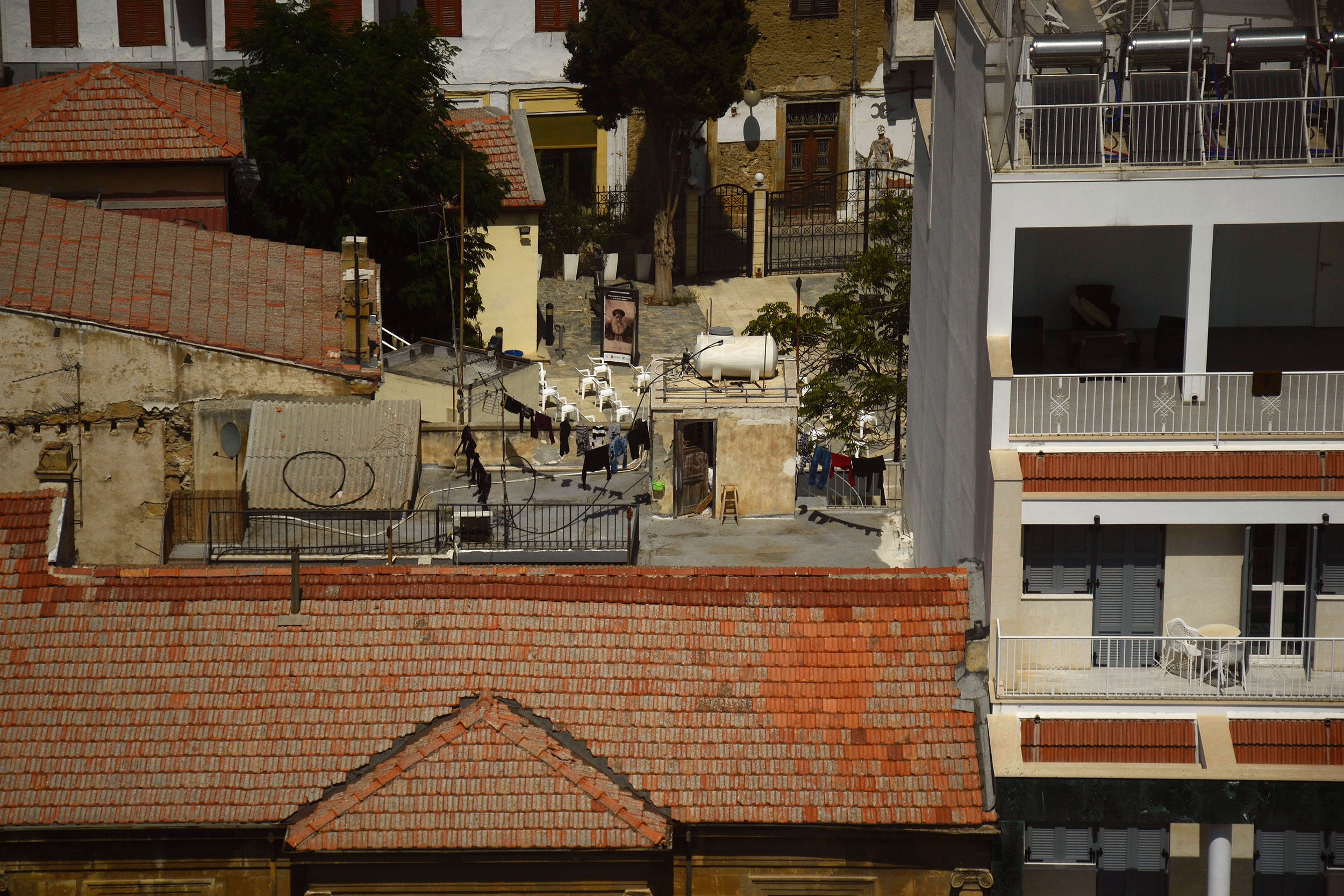
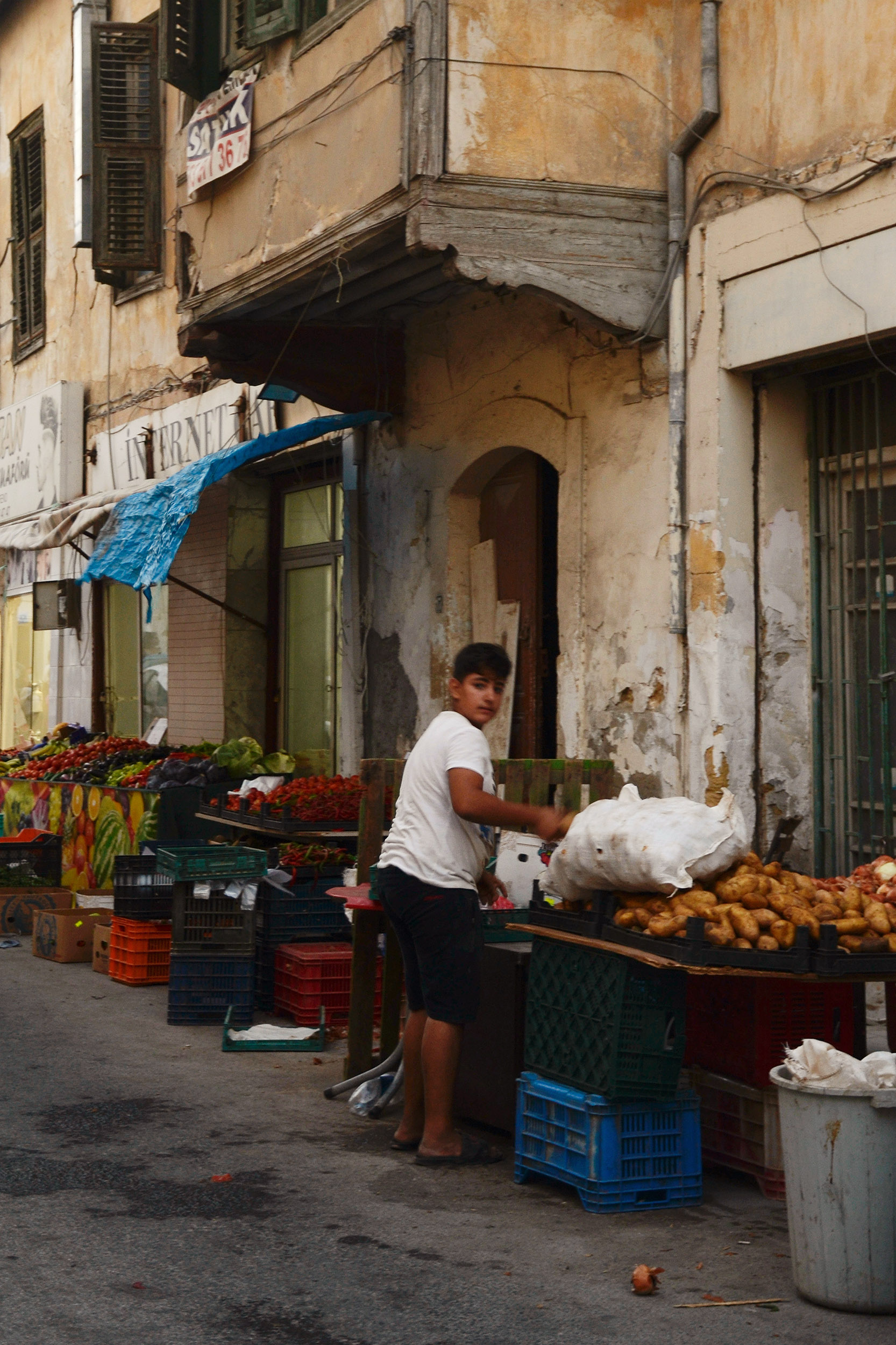
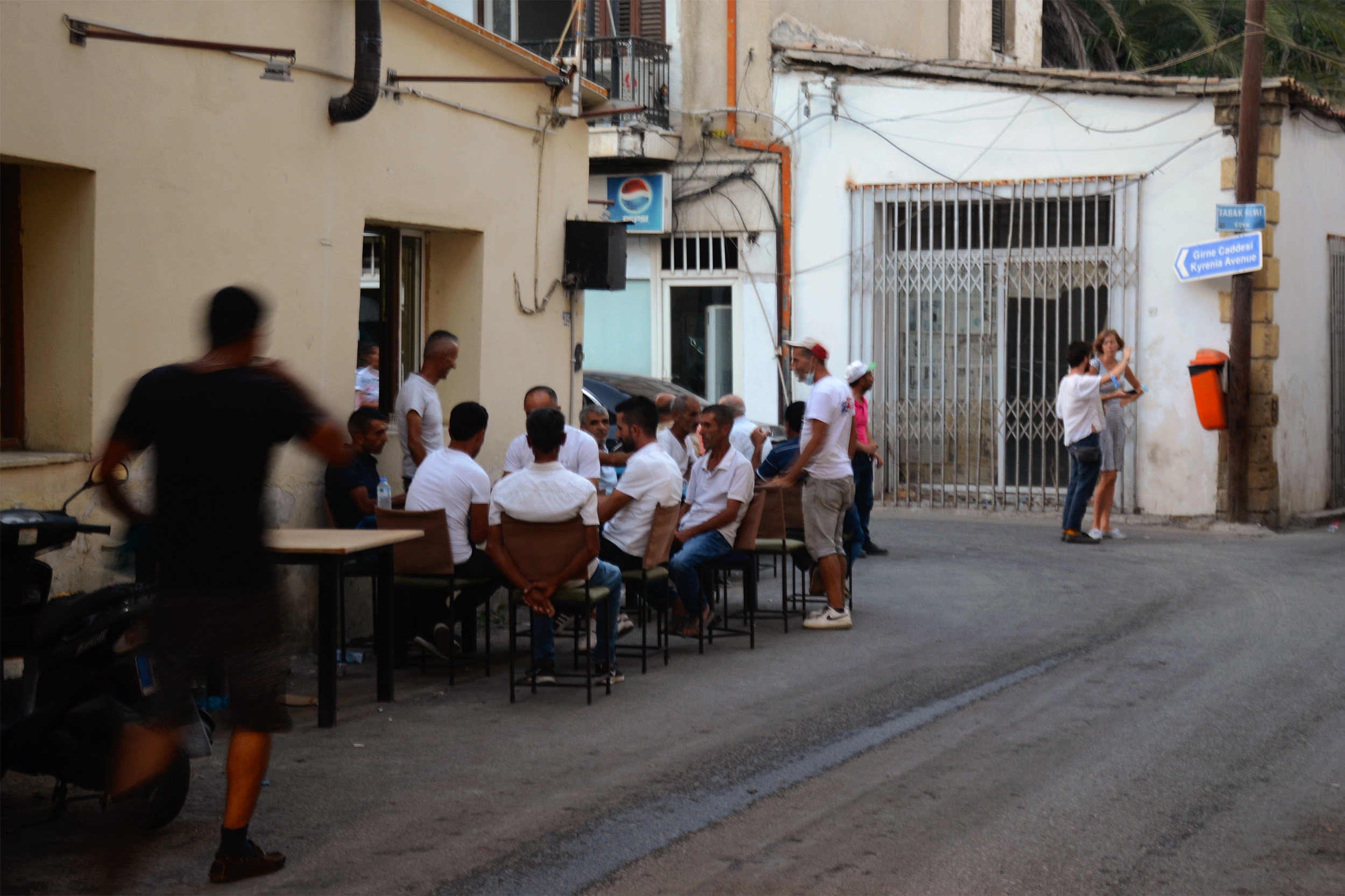
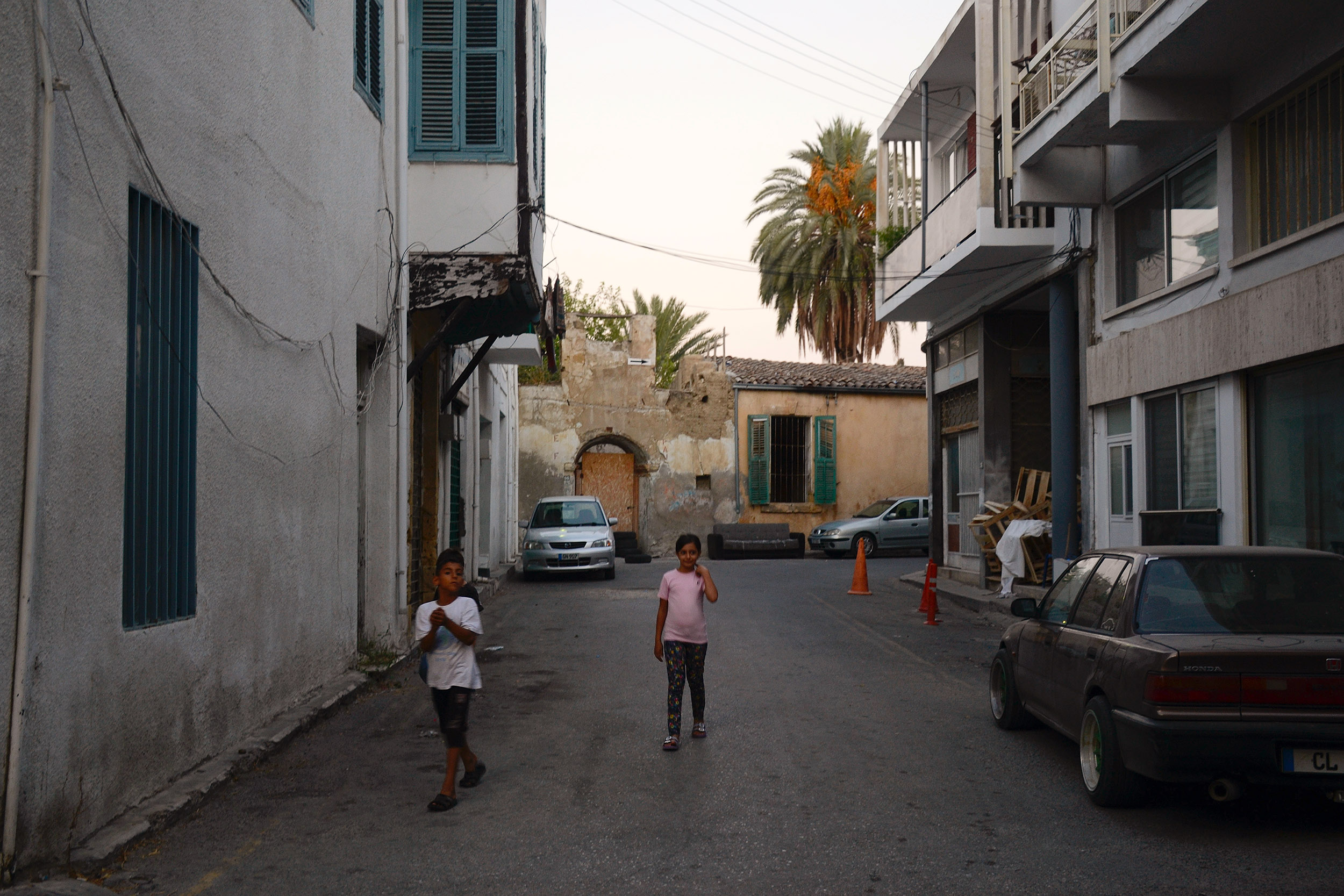
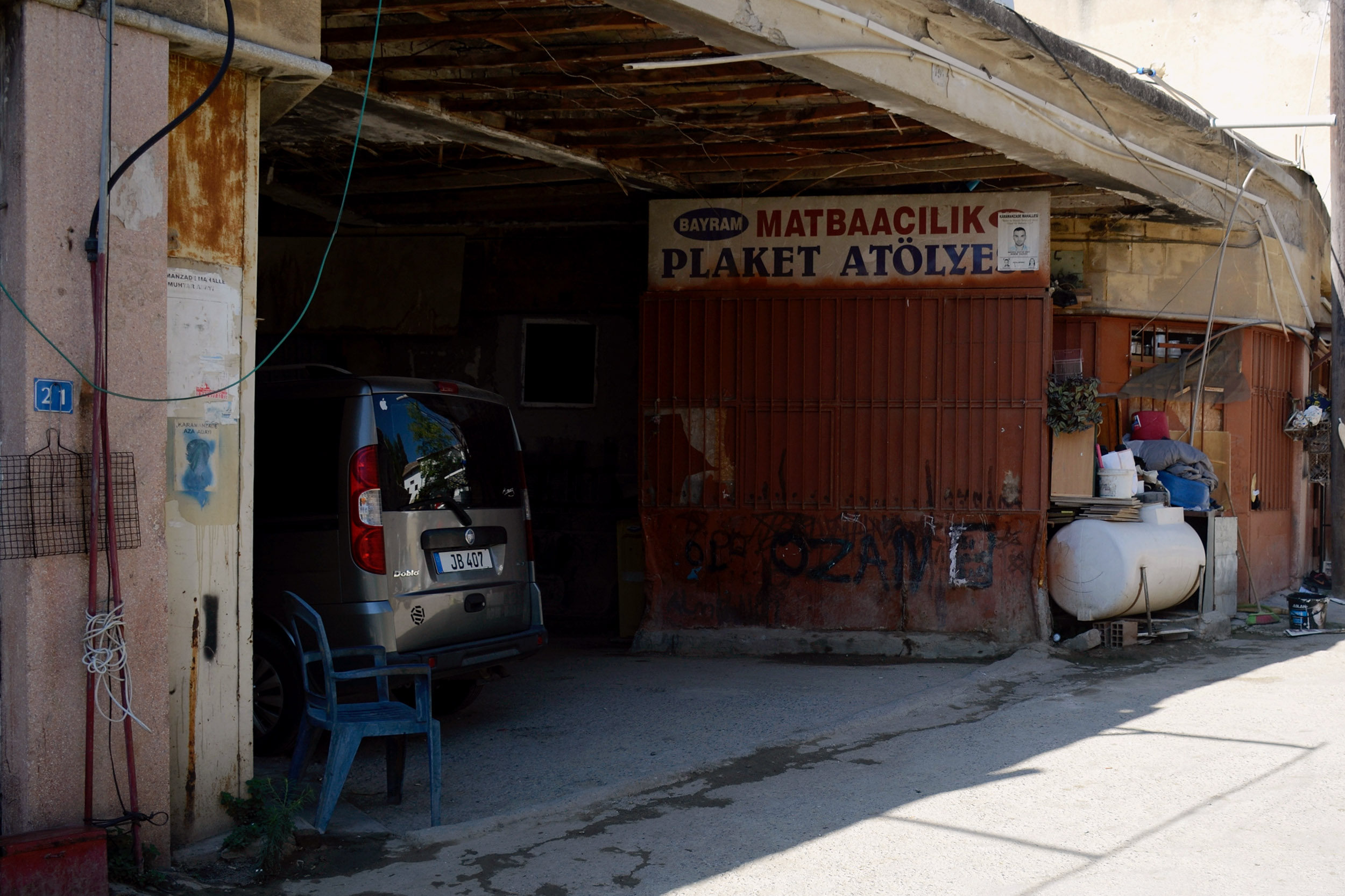
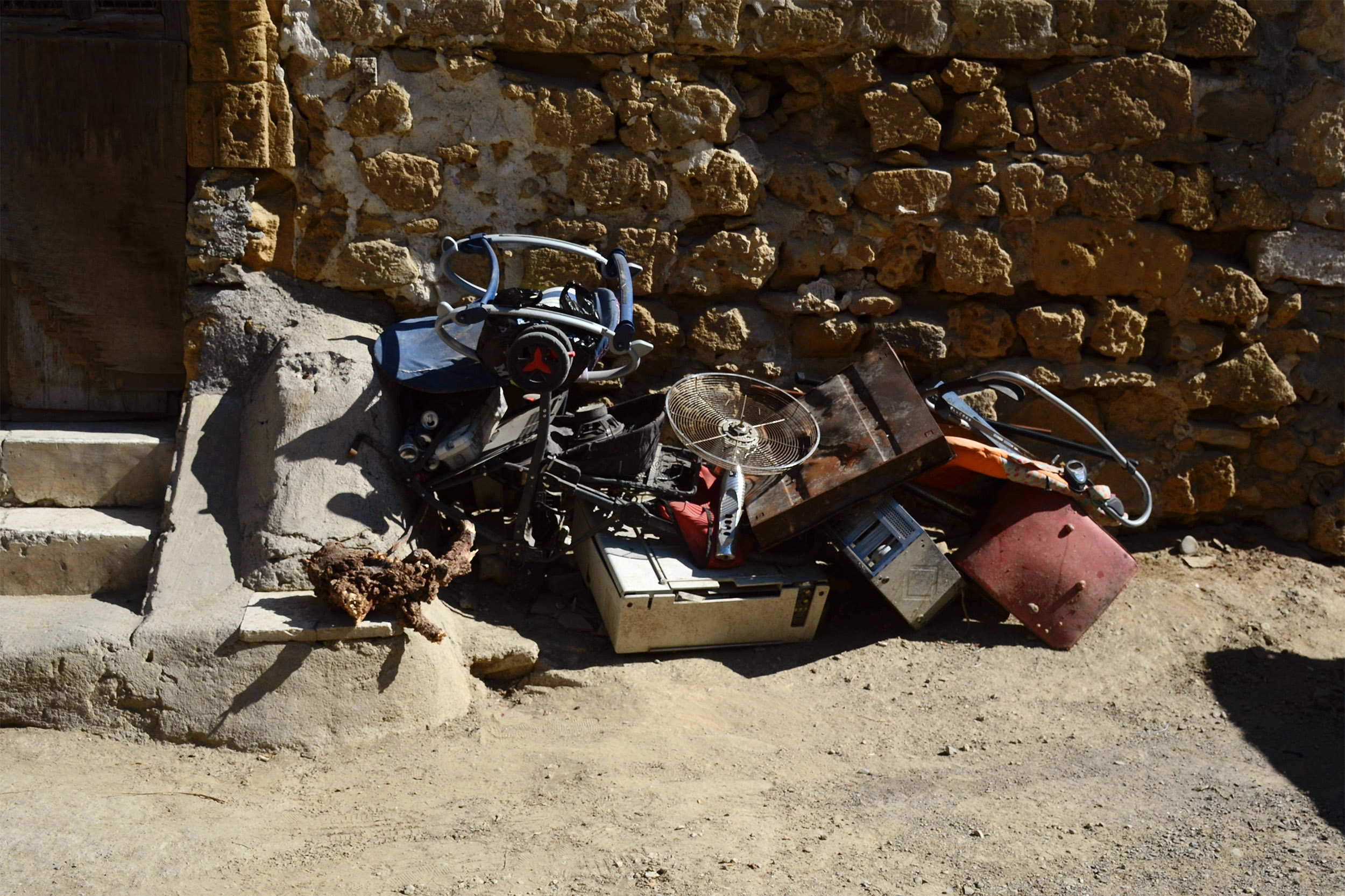
The third and final part of the series on Cyprus aims to generate a trigger for reflection on the meaning of partition, the permeability of borders, and the reality of living in a divided city. The urban fabric of Nicosia’s Old Town is structured as two -almost- symmetric semicircles, which are separated by the Green Line. One could interpret this structure as a metaphor, where the Green Line functions as an axis of symmetry dividing the two sides, which develop in parallel. The border running through the Old Town might divide the two communities, but life still goes on in both sides – a life that shows both similarities and parallelisms, as well as differences. The excerpts cited below reflect exactly on this matter: the “double life” of Nicosia, the experience of crossing the border and coming to terms with one’s own expectations, prejudices and fears.
“The breach in the border initiated a process of encounter between the two communities, although contact alone is insufficient to guarantee the establishment of trust and good relations. Several years after the opening of the first crossing the initial enthusiasm about the possibility of crossing has been replaced by a subtle disenchantment concerning the achievement of a solution. People do cross, but they generally do it for work, shopping, or leisure, which is more connected with the use of services and opportunities available on the other side than to the development of relationships and ties.
The political discourses reproduced in the media and people’s general opinions still contrast with each other on the two sides, and they shape a conflictual environment that does not facilitate the creation of positive and constructive relationships across the divide […]
As a personal experience, I was very, very excited, because I didn’t know what to expect, and I was like… you know Alice in Wonderland, the book? In the book Alice […] just crosses the mirror, […] everything’s the same, but still something’s different, something’s peculiar – that was exactly how I felt.’ (Z.A., Turkish Cypriot citizen)
The reference to Alice in Wonderland, made by Z.A. to explain her first crossing experience, that the southern side is a sort of reflection of the northern side, like a mirror, but with something different that makes it unknown. This impression is especially the case for Nicosia, because the city has maintained a similar structure on the two sides, especially within the Venetian walls […] Language is of course the most obvious difference, but commercial symbols, religious buildings, food smells, people’s dress, and attitudes also contribute to creating a contrast between the two sides, though spatial configuration creates continuity […]
The reality for Nicosia, despite the opening of the new crossing, is that of a radical partition that has resulted in the formation of two separate entities with their own administrations, institutions, laws, forms of citizenship, and political structures. Moreover, different languages and religions characterise the everyday life and the landscape on the two sides. This extends even to sounds: people hear church bells on one side and the muezzin’s call to prayer on the other. Partition has resulted in the formation of two almost entirely homogenous states as far as ethnicity, religion, and language are concerned. Moving from one side to the other requires a procedure that underlines the discontinuity of space, because people must pass through two checkpoints, show a document, and get a visa stamped. The years of isolation have contributed to the development of differences that are now visible not only in the urban landscape but in the social composition of inhabitants and people’s everyday life. This physical, cultural, and social separation of the two urban entities also relates to significant asymmetries and a marked economic gulf, the levelling of which will require consistent effort if any reunion is to be achieved.”
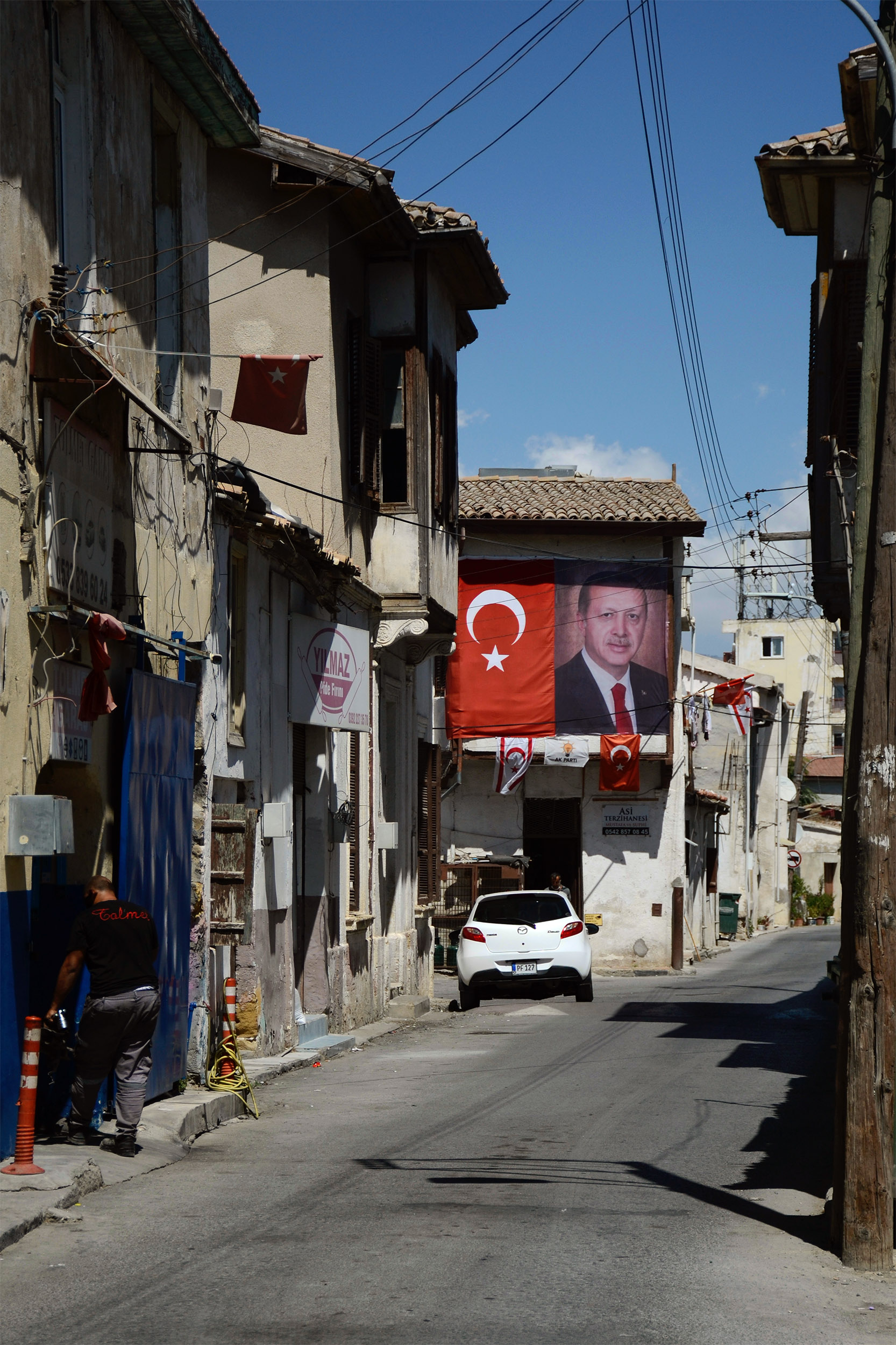
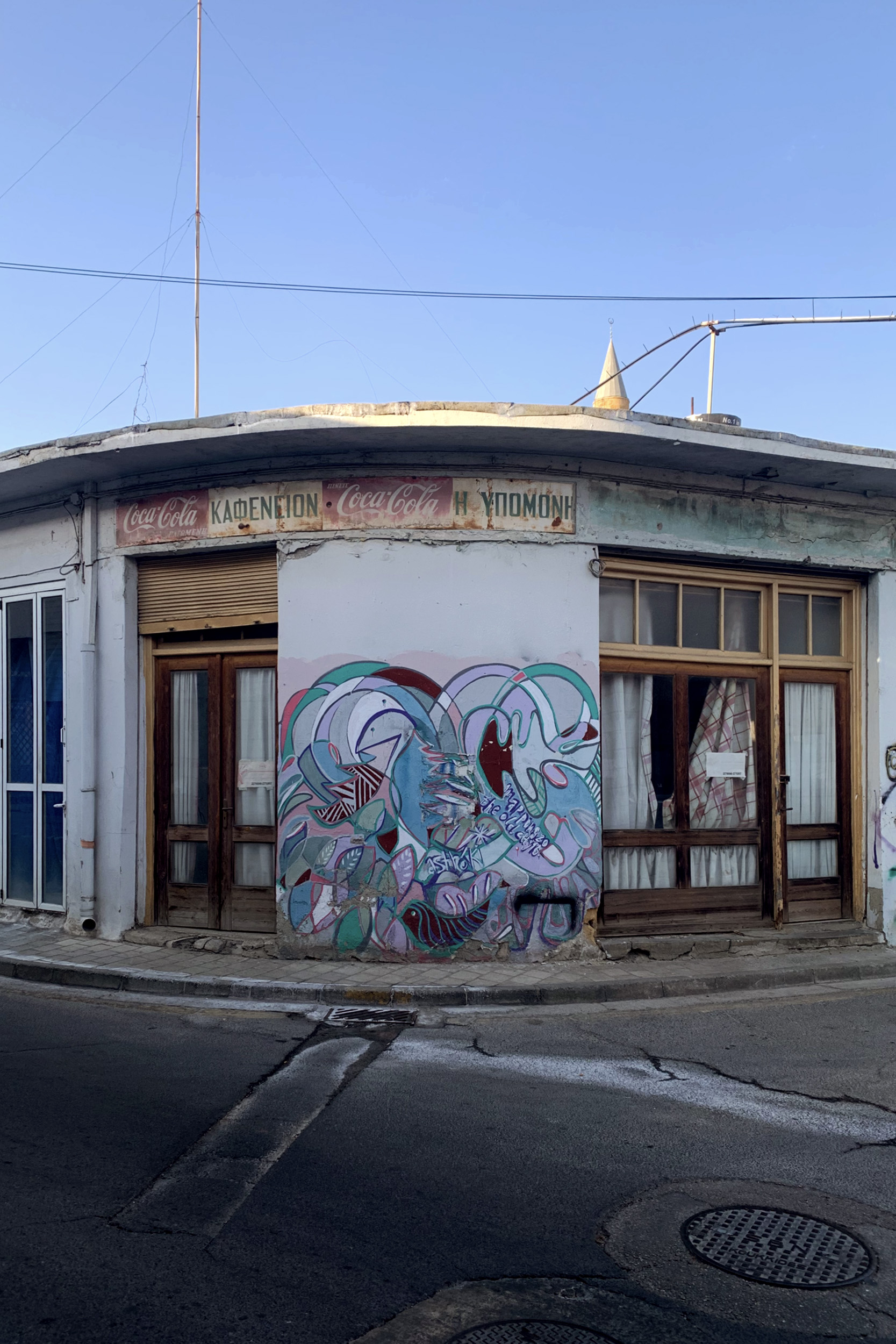
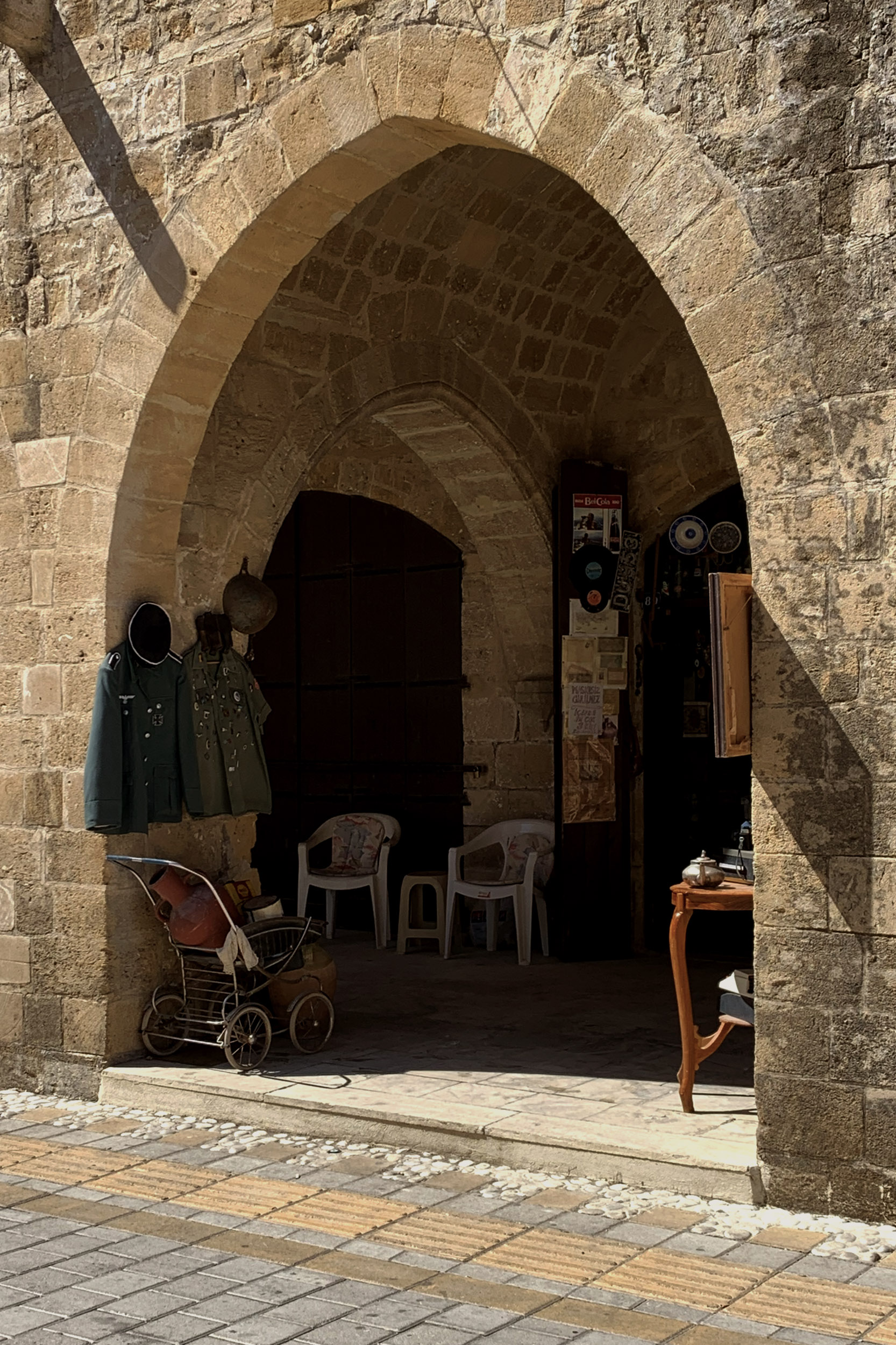
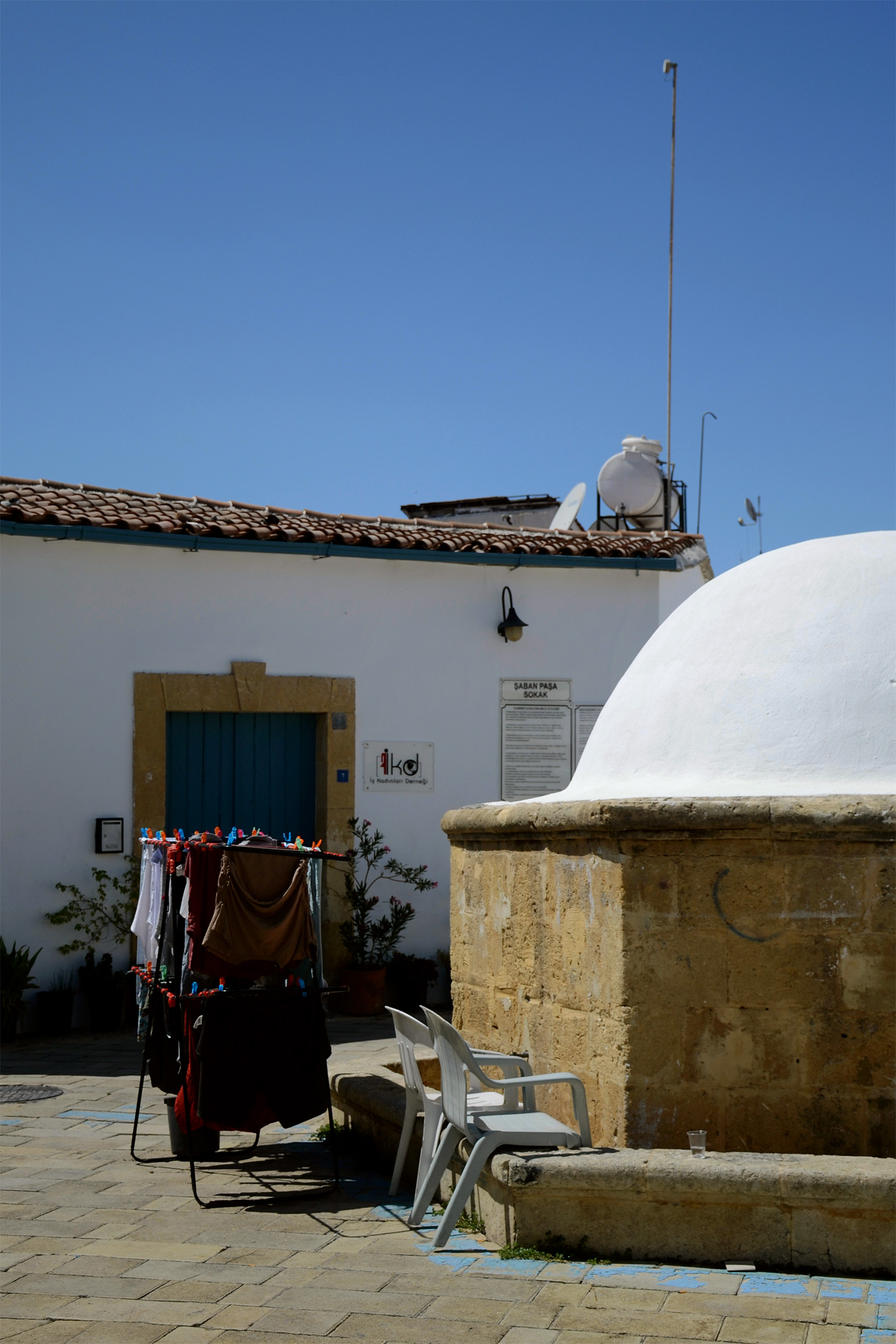
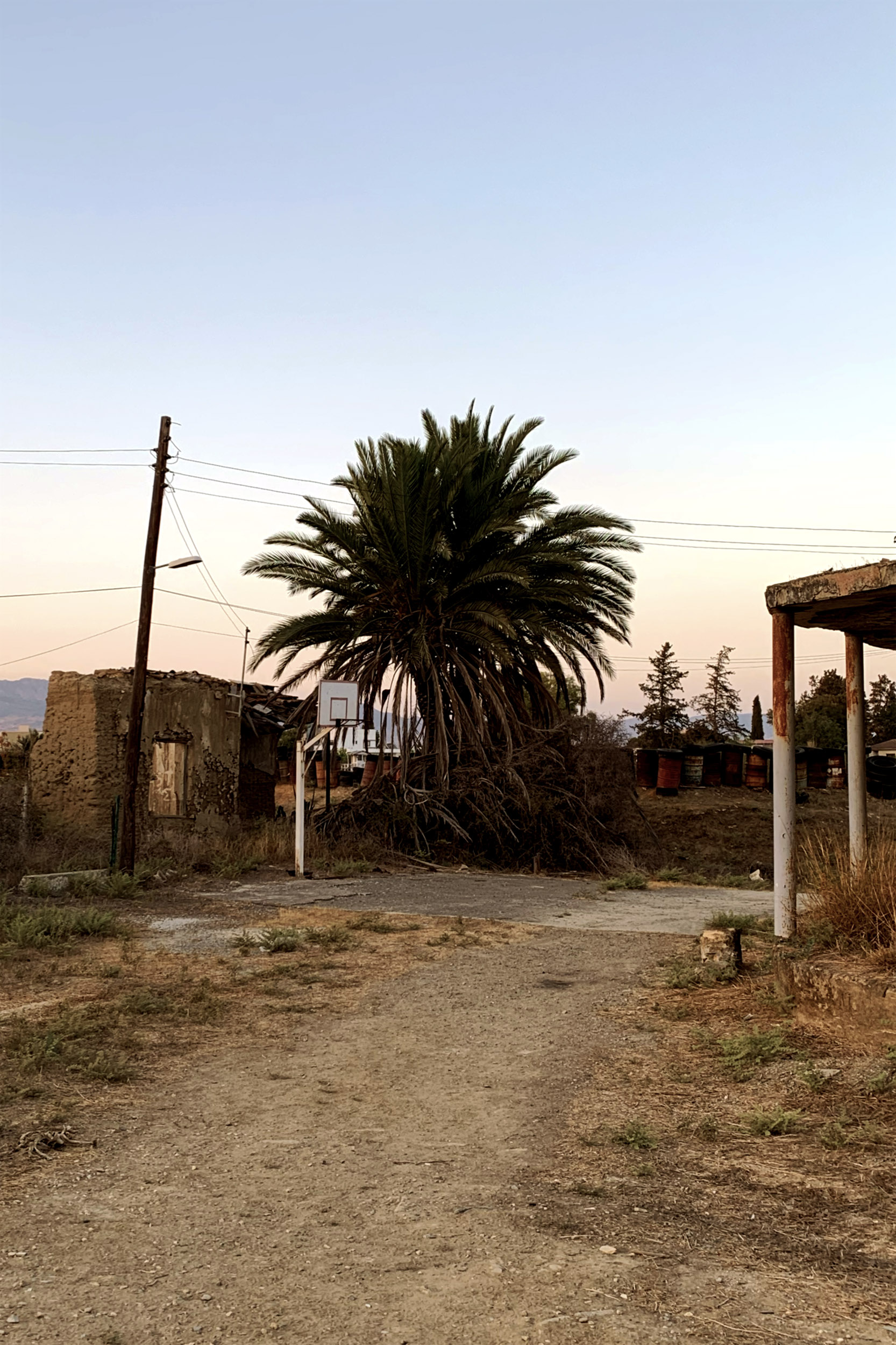
“Space is a crucial dimension for understanding processes of collective memory construction and the reproduction of power dynamics. […] In his essay on space Simmel (1997) addresses this topic while explaining the concept of rendezvous, a term that defines both the meeting and the place. Simmel argues that memory easily connects with space, whose evocative power is stronger than time. The place where a rendezvous occurs therefore becomes a pivot for the relationships that develop around it: space is closely linked to memory and vice versa. The old city has been the pivot for the relationship of conflict between Greek and Turkish Cypriots, and a strong evocative power is therefore connected with it. The buffer zone in particular still maintains this haunting function, constituting the material representation of conflicting and contested memories, and feelings of the past. According to Halbwachs (1980) memory cannot exist apart from social contexts, since it generates a collective process and is reproduced by constant interaction among social actors. In referring to space, Halbwachs outlines how the material objects with which we are in contact in our daily lives do not change, giving us an image of length and stability. Every individual or social group gives meanings to the surrounding environment, transforming it into a container of memory that contributes to defining that continuity or discontinuity of individual and collective experience. Place becomes a group’s footprint, and all social practices can be seen as a reflection is space: people can recall past memories through it, because no collective memory can exist without its unfolding in space.”
“It took the opening of the checkpoints to make me realise that borders are created not only through isolation but also through interaction, not only in their closure, but also, and perhaps even more, in the act of crossing them.”


Excerpts from: Casaglia, A. (2020). Nicosia Beyond Partition. Complex Geographies of the Divided City. Milan: Unicopli [pp. 69, 120, 178-179] / Bryant, R. (2010). The Past in Pieces. Belonging in the New Cyprus. Philadelphia: University of Pennsylvania Press
 Dafni Riga